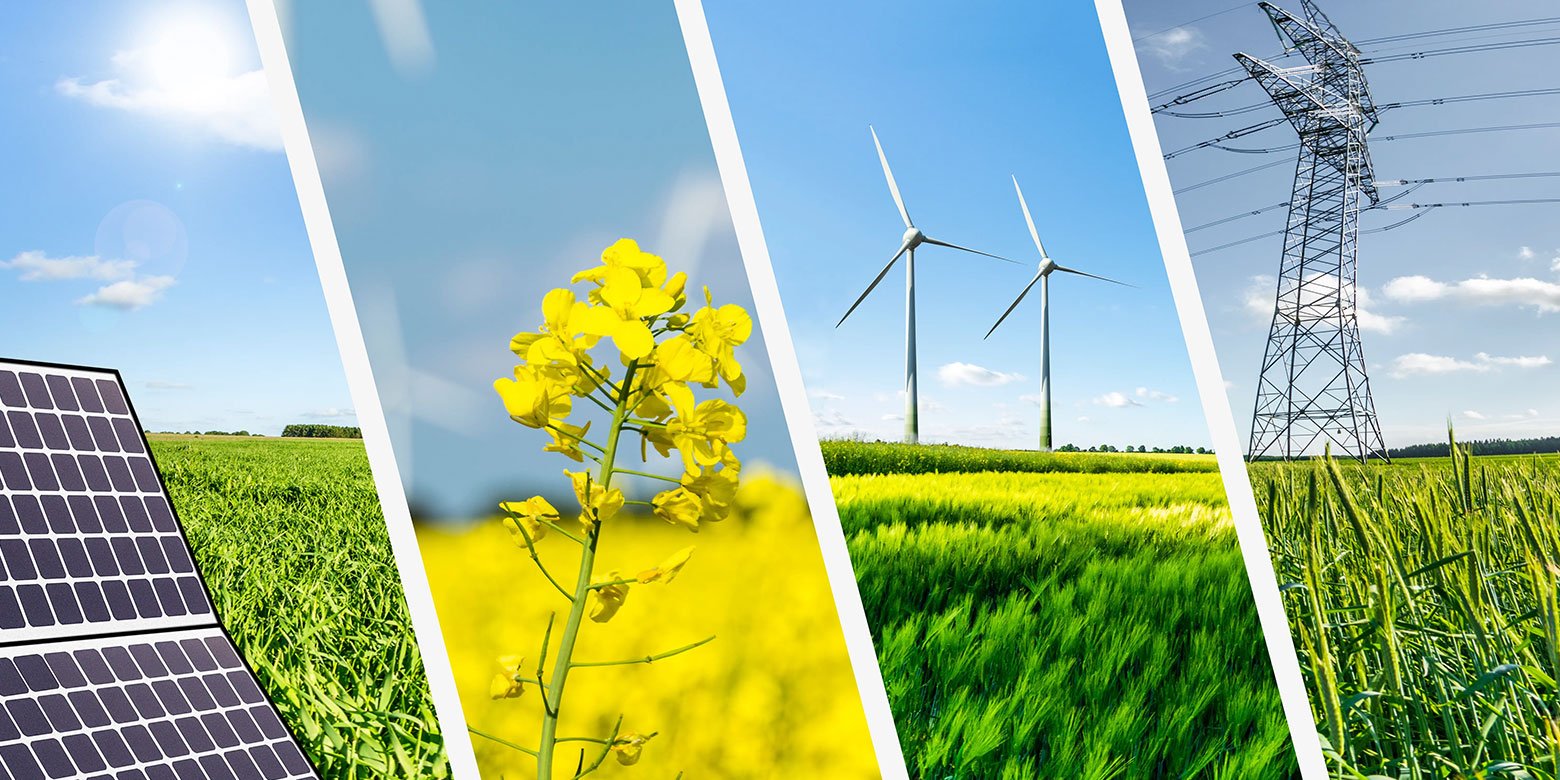
A massive shift is underway globally. Many countries are looking beyond the fossil fuels that have powered the world for over a century and moving toward cleaner, renewable energy sources. This is far more than an environmental issue; it potentially has downstream effects for the market and economy. But with any change, it can present upsides and potential downsides.
What is the global energy transition?
At its core, energy transition is a move from carbon-intensive energy sources such as coal, oil, and natural gas to sustainable energy powered by the sun and wind. This shift is being driven by a combination of several powerful forces.
International accords like the Paris Agreement have set ambitious goals for reducing carbon emissions to fight climate change. At the same time, technology has made enormous leaps forward. Solar panels, wind turbines, and battery storage have become significantly cheaper and more efficient. Some governments are also playing a major role by offering subsidies and creating policies that favor clean energy. Many corporations are also facing pressure from customers and investors to adopt more sustainable practices, better known to investors as ESG (environmental, social, and governance) principles.
The scale of the change is staggering. The International Energy Agency (IEA) estimates that the world needs to be investing $4.5 trillion annually by 2030 to meet its climate goals.1 This objective has created a vast new field for investors.
Finding opportunities in the new energy landscape
Energy transition touches nearly every sector of the economy, creating a universe of diverse investment opportunities.
Renewable energy generation
One of the most direct ways to gain exposure is to invest in companies that generate renewable power. Through 2027, the U.S. is expected to add record amounts of renewable energy, and research firm BloombergNEF has increased its forecast for wind, solar, and batteries to be added next year by 10%.2
Take Texas, for example, which leads the U.S. in wind-generated power. Wind farms are the largest power source in the state behind natural gas. In 2024, 29.8% of the state’s electricity was wind-generated.3 Vast wind farms and solar parks are being built throughout the country, as well as massive offshore wind farms that harness the power of the ocean. These projects will require huge amounts of capital, and many publicly traded companies are leading the charge.
Energy storage and batteries
Renewable energy is accompanied by one significant challenge: the sun doesn't always shine, and the wind doesn't always blow. As a consequence, energy storage is critical. That’s why companies involved in battery technology (especially lithium-ion batteries) are seeing explosive growth. This includes not just the manufacturers but also companies that mine and process the raw materials, or those that work on recycling used batteries. BloombergNEF expects the global energy storage market to grow by 35% for 2025 with a projected compound annual growth rate potentially of 14.7% through 2035.4
Electric vehicles (EVs) and charging
The shift from gasoline to electric cars is one of the most visible parts of the energy transition. Beyond car manufacturers like Tesla and Rivian, a whole ecosystem of companies is emerging. This includes businesses that build and operate the vast networks of charging stations needed to power these vehicles.
Green hydrogen
One of the most exciting emerging areas is green hydrogen. This technology uses renewable electricity to create a clean fuel that could decarbonize heavy industries like steelmaking and shipping. While still in the early stages, green hydrogen could offer the potential for long-term growth for investors willing to assume more risk.
Energy efficiency and smart grids
Energy transition is about more than producing clean energy; it's also about using energy more efficiently. Companies are developing technologies to make homes, buildings, and power grids more efficient. This includes smart thermostats, AI-powered grid management systems, and IoT (Internet of Things) devices that help optimize energy consumption.
Navigating the risks and challenges
Like any major economic shift, energy transition comes with risks.
Policy and regulatory risks: The clean energy sector relies on considerable government support. A sudden change in policy, like the removal of a subsidy or a change in legislation, could significantly impact a company's profitability and stock price.
Market volatility: The energy market is notoriously volatile. Competition between traditional energy giants and nimble renewable startups may create price fluctuations. Supply and demand imbalances could also affect investor returns.
Technological risks: Innovation is coming at lightning speed. A breakthrough in battery technology could make existing solutions obsolete, impacting companies that invested heavily in earlier technologies. High research and development costs for new technologies like green hydrogen could also add to the risk.
Geopolitical risks: The evolving energy economy faces geopolitical challenges. Many key materials for batteries and electronics, like lithium and cobalt, are concentrated in a few countries. Supply chain disruptions or trade tensions could create difficulties in accessing necessary materials.
Stranded assets: As the world moves away from fossil fuels, investments in coal mines, oil fields, and traditional power plants could become "stranded assets"—assets that lose their value prematurely. Investors heavily weighted in traditional energy stocks may face increased risk.
The many faces of energy investing
There’s no one way to invest in the past, present, or future of energy. Most investors know the popular renewable energy or EV names, but then there’s assets like green bonds or different regions, which can offer other opportunities to tap into the global energy transition.
Take green bonds, for example. These assets raise money specifically for environmental projects, and have made it easier for companies to finance their transition efforts.
At the same time, a lot of work is happening all over the world. Europe is one of the leaders in the global energy movement, with aggressive climate goals driving massive investments in offshore wind and other renewables. India is also rapidly building its solar and wind capacity to power its growing economy. In parts of Africa, off-grid solar solutions are providing electricity to communities for the first time.5
We’re still in the early innings of the global energy transition. Looking ahead, breakthroughs in areas like nuclear fusion or next-generation battery storage could unlock even more opportunities. A rise in decentralized energy systems, where microgrids and local solar installations give communities more control over their power, is also possible.
The takeaway
The global energy transition may reshape the investing landscape in ways that we expect and in ways we won't see coming. That’s why it’s important to stay informed. Understand the different technologies and the policies moving the world forward.
But when it comes time to act, consider turning to an ETF. It’s an easy way to invest in a divest mix of companies, some of which may play a role in the energy transition.
At Motley Fool Asset Management, we’ve long been fans of ETFs. Explore our lineup of ETFs to see how they may fit with your investment goals.









 5 min read